Designing the Liquid Tree Basin: A Scientific Approach Integrating Environment, Bioengineering, and Urban Design
The modern world faces accelerating environmental challenges, including air pollution, rising carbon dioxide levels, and the decline of green spaces in densely populated cities. With limited urban land available for planting trees, the concept of the liquid tree has emerged as an innovation combining biotechnology and industrial design to purify air in public spaces. The design of the liquid tree basin plays a central role in the efficiency, aesthetics, and functionality of this system.
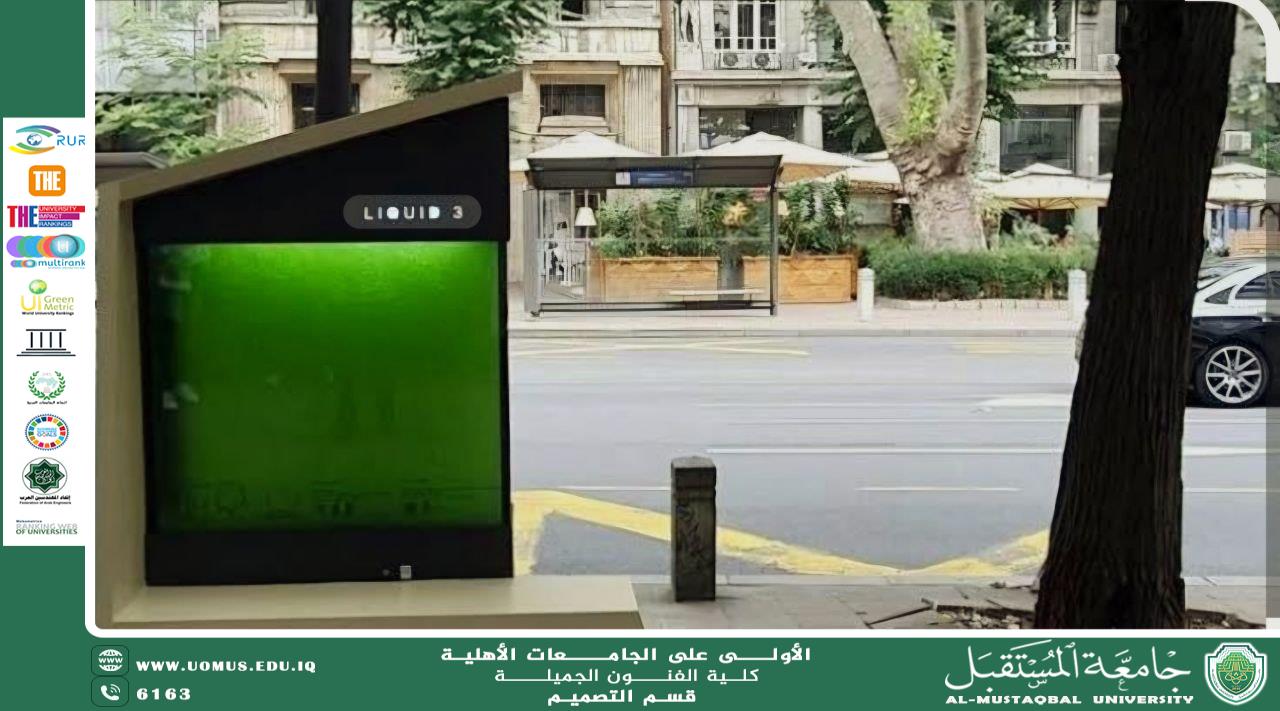
A liquid tree is an artificial ecological system based on microalgae that perform photosynthesis like natural trees, absorbing carbon dioxide and releasing oxygen. One of the most notable applications is the Liquid 3 project developed in Belgrade as an alternative or complement to trees in highly polluted urban environments.
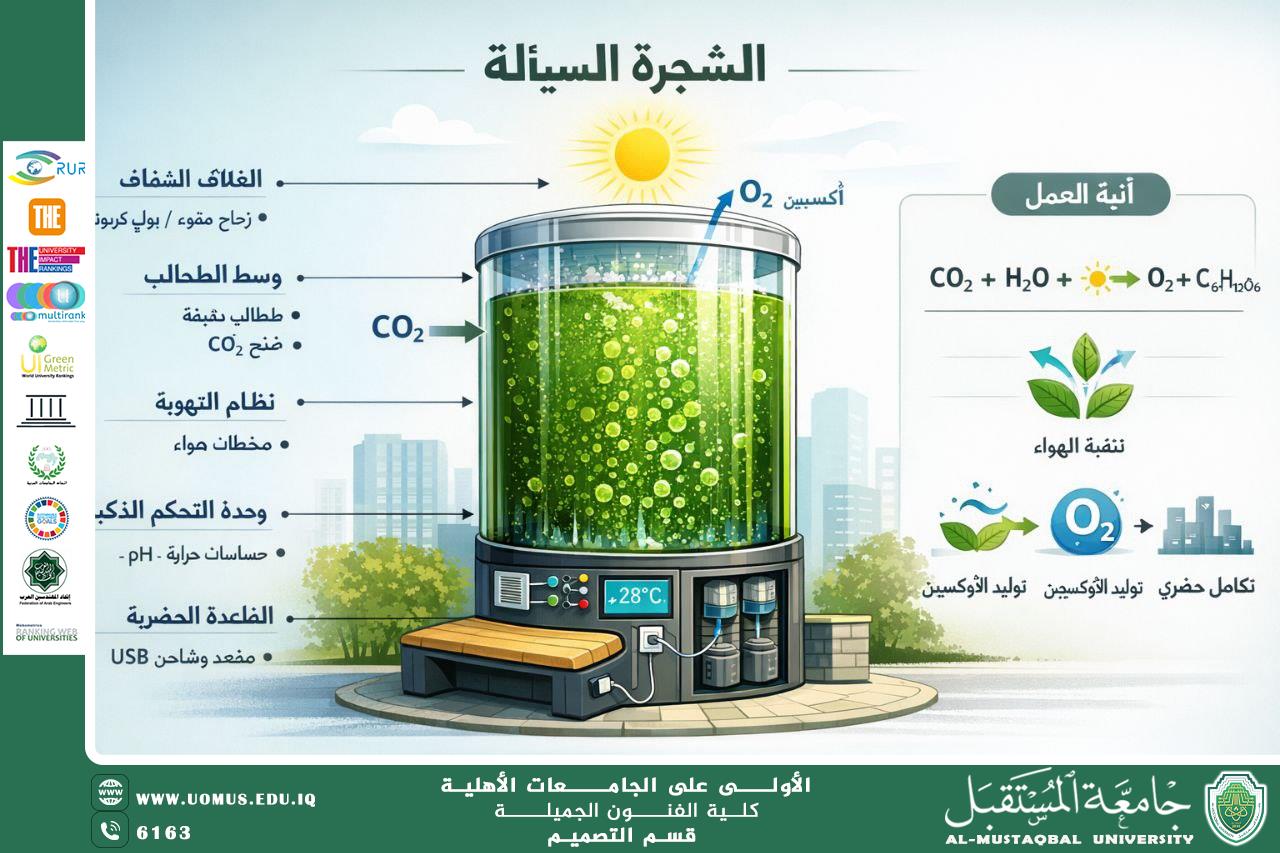
The basin contains sterilized water mixed with selected microalgae species that rely on natural or artificial light for photosynthesis, with air pumps injecting carbon dioxide into the medium. Structurally, the basin includes a transparent tank made of reinforced glass or UV-resistant polycarbonate, a structural base capable of withstanding environmental stress, a smart monitoring unit for temperature, pH, and lighting levels, and a circulation system to prevent stagnation and maintain algae distribution.
From a design perspective, environmental considerations include reducing energy consumption through solar lighting, using recyclable materials, and enabling easy maintenance and medium replacement. Aesthetic considerations are also important because the basin is usually placed in public squares or pedestrian areas, requiring harmony with urban character, visual transparency of the ecological concept, and visibility of algae movement as an engaging visual element. Functional considerations include maximizing carbon dioxide absorption, integrating seating or interactive elements, and ensuring public safety.
The system’s efficiency depends on photosynthesis, expressed as:
Carbon dioxide + Water + Light → Glucose + Oxygen.
Microalgae are more efficient than traditional trees in absorbing carbon per unit area, making the basin a practical solution in limited spaces.
Designing liquid tree basins represents a shift in urban elements from decorative objects to active ecological systems and can be integrated into smart city, sustainable design, and ecological architecture strategies. It also opens opportunities for industrial designers and environmental engineers to adapt models to different climates, including hot environments such as Iraq, through cooling systems or semi-shaded placement.
Despite challenges such as maintenance needs, initial construction costs, and the need for public awareness of artificial ecological systems, advances in sensing technologies and the Internet of Things may improve performance and reduce costs in the future. Ultimately, liquid tree basin design is an integrated model combining science, technology, and urban design, redefining the relationship between humans and the environment within cities.
Almustaqbal University, The First University in Iraq.