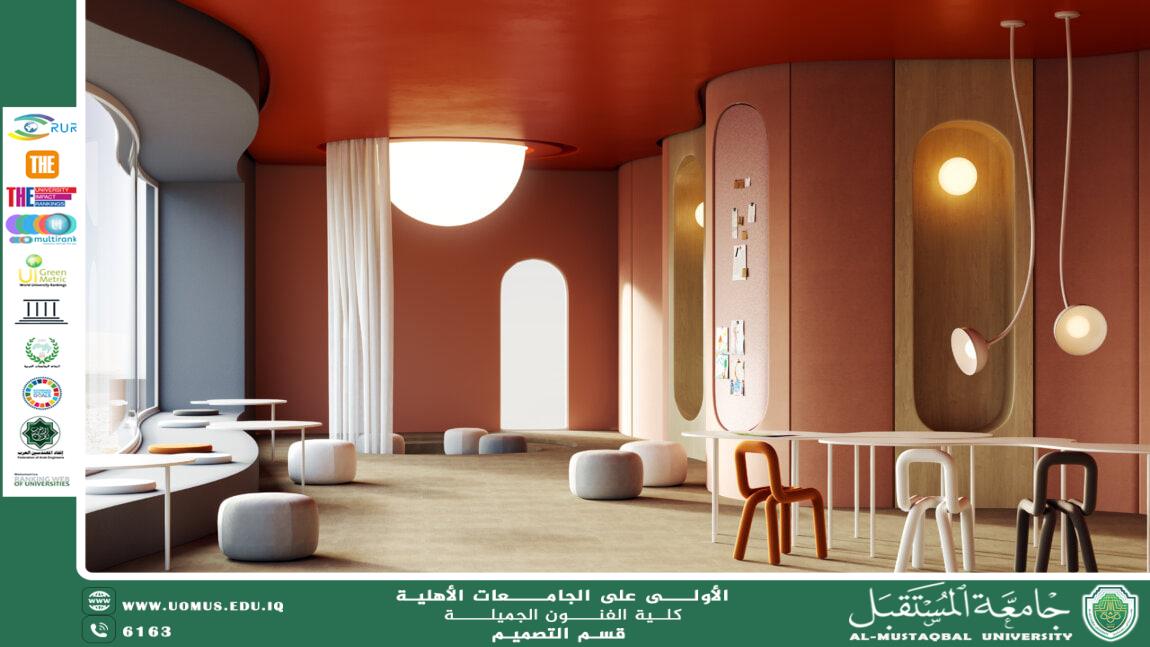

The Impact of Materials on Shaping the Identity and Sensory Perception of Interior Spaces
Materials are a fundamental element in shaping the sensory experience within interior spaces, extending beyond visual impact to touch perception. They influence the sense of warmth or coolness and determine the level of light reflection. Wood conveys intimacy and warmth, metal reflects a modern industrial character, glass enhances transparency and openness, while stone symbolizes solidity and permanence.
Materials also play a key role in acoustic performance and indoor air quality. In residential spaces, natural materials are preferred to enhance comfort, whereas commercial spaces select materials that reflect institutional identity and support the visual message of the environment.
Materials interact with light to create varying shadows and depths, enhancing visual perception and the sense of spatial dimensions. Glossy surfaces suggest openness and expansiveness, while rough textures convey stability and grounding. Sustainability has become a critical factor in material selection, favoring environmentally friendly and low-maintenance materials to reduce the environmental impact of the project.
Materials also contribute to cultural identity, particularly when using traditional local materials, and they affect project cost and lifespan. Balancing materials achieves visual harmony, while deliberate contrast creates distinctive aesthetics. Material is not merely a superficial covering but a structural and aesthetic element simultaneously. Through it, the personality of the interior space is shaped, determining the quality of the user’s spatial experience.
Almustaqbal University, The First University in Iraq.