Density Gradient Ultracentrifugation in Lipoprotein Subfraction Analysis and Cardiovascular Risk Assessment
Density Gradient Ultracentrifugation in Lipoprotein Subfraction Analysis and Cardiovascular Risk Assessment Cardiovascular diseases remain one of the leading causes of mortality worldwide. Dysregulation of lipid metabolism represents a major contributing factor in the development of these disorders. Although conventional lipid profile tests—total cholesterol, LDL, HDL, and triglycerides—are widely used in clinical practice, they do not fully capture the structural and functional complexity of lipoprotein particles.
Density Gradient Ultracentrifugation (DGUC) has emerged as a highly precise analytical technique for separating and characterizing lipoprotein subfractions, providing deeper diagnostic and prognostic insights into cardiovascular risk.
Physical and Chemical Principles of the Technique
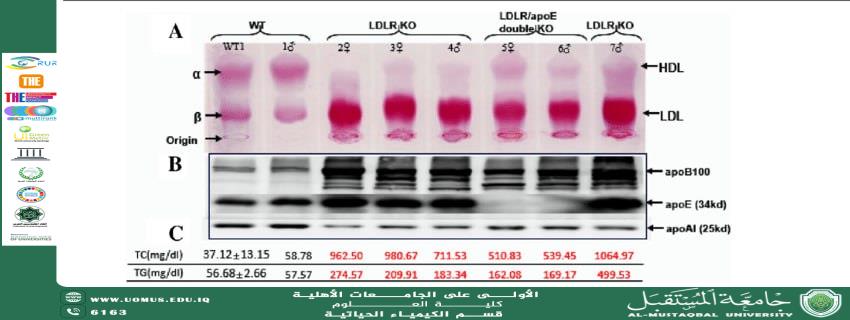
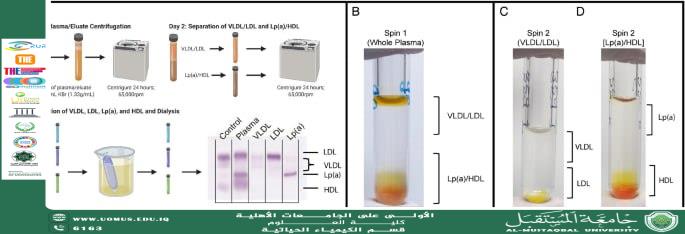
Density gradient ultracentrifugation is based on differences in buoyant density among lipoprotein particles within a density gradient medium, commonly composed of sucrose or bromide salts. When subjected to extremely high centrifugal forces, particles migrate to the point where their buoyant density equals that of the surrounding medium, forming distinct, analyzable bands.
The density of lipoproteins is determined by the relative proportion of:
Lipids (cholesterol, phospholipids, triglycerides)
Proteins (apolipoproteins)
Variations in these ratios create density differences that allow separation of:
Chylomicrons
Very Low-Density Lipoproteins (VLDL)
Low-Density Lipoproteins (LDL)
High-Density Lipoproteins (HDL)
This high-resolution separation makes DGUC a reference method for detailed lipoprotein profiling.
LDL Subfractions and Their Clinical Significance
LDL particles are no longer considered a homogeneous entity; instead, they consist of multiple subfractions that differ in:
Particle size
Density
Oxidative susceptibility
Atherogenic potential
Small dense LDL (sdLDL) particles are particularly clinically significant. They exhibit:
Greater arterial wall penetration
Reduced affinity for LDL receptors
Increased susceptibility to oxidative modification
These properties contribute directly to the development of:
Atherosclerosis
Coronary artery disease
Therefore, quantifying sdLDL provides a more accurate cardiovascular risk indicator than measuring total LDL cholesterol alone.
Functional Aspects of HDL Beyond Concentration
Traditionally, elevated HDL cholesterol levels have been associated with reduced cardiovascular risk. However, recent research indicates that the functional properties of HDL—particularly its role in Reverse Cholesterol Transport (RCT)—may be more important than its absolute concentration.
Density gradient ultracentrifugation allows separation of HDL into distinct subfractions:
HDL2 (larger, less dense particles)
HDL3 (smaller, denser particles)
Structural modifications of HDL, especially under chronic inflammatory or metabolic conditions, may impair its protective function, rendering it “dysfunctional HDL.” This functional impairment has been observed in metabolic and inflammatory disorders.
Association with Metabolic Syndrome and Type 2 Diabetes
An increased proportion of sdLDL combined with reduced functional HDL is commonly observed in individuals with:
Insulin resistance
Visceral obesity
Hypertriglyceridemia
These characteristics are hallmarks of:
Type 2 diabetes
Advanced lipoprotein subfraction analysis therefore serves as an early tool for identifying high-risk patients before overt cardiovascular complications develop.
Integration with Complementary Analytical Techniques
Although DGUC is considered a gold standard for lipoprotein separation, combining it with additional analytical platforms enhances diagnostic precision. These include:
Nuclear Magnetic Resonance (NMR) spectroscopy
Proteomic analysis of apolipoproteins (ApoB, ApoA1)
Measurement of inflammatory biomarkers such as high-sensitivity C-reactive protein (hs-CRP)
Such integrative approaches allow a comprehensive understanding of lipid-related cardiovascular pathophysiology beyond traditional lipid measurements.
Practical Limitations
Despite its high analytical accuracy, DGUC presents certain challenges:
Requirement for ultrahigh-speed centrifugation equipment
Long analysis times
High operational costs
Limited feasibility for routine large-scale clinical screening
Consequently, its application is primarily confined to research laboratories and specialized clinical studies.
Future Perspectives
Current research trends aim to:
Develop faster and miniaturized ultracentrifugation systems
Automate separation and quantification processes
Apply artificial intelligence to subfraction pattern analysis
Incorporate molecular lipoprotein profiling into future clinical guidelines
These advances may shift cardiovascular risk assessment from conventional cholesterol-based models toward integrated molecular and functional lipoprotein characterization.
Density gradient ultracentrifugation represents a sophisticated analytical tool that enables precise identification of structural and functional alterations in lipoprotein particles. By focusing on clinically relevant subfractions such as small dense LDL and functionally active HDL, this technique enhances cardiovascular risk prediction beyond traditional lipid parameters.
The incorporation of advanced lipoprotein profiling into academic research within biochemistry departments strengthens translational medicine initiatives and opens promising avenues for postgraduate research and personalized preventive cardiology.
Al-Mustaqbal University Ranked First Among Iraqi Private Universities