Islamic Coinage in India
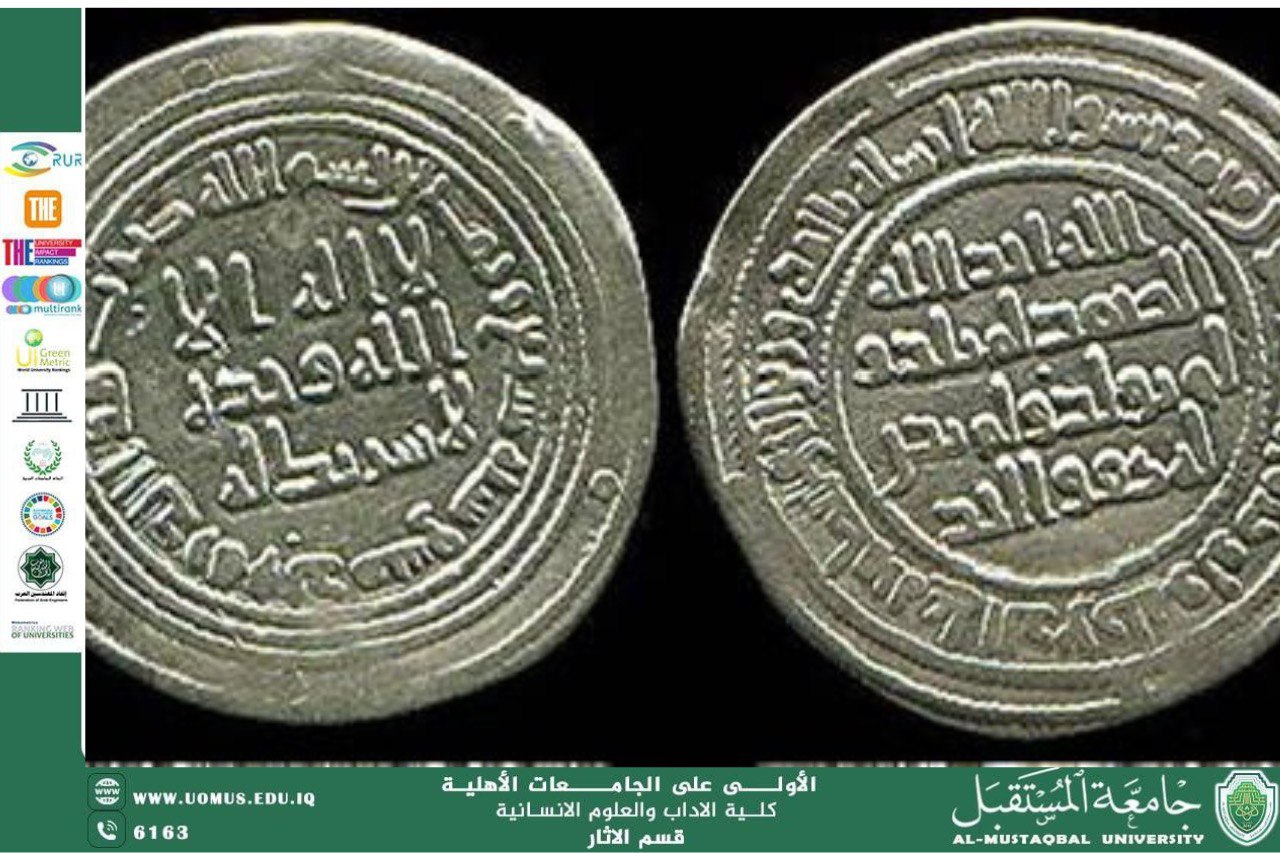
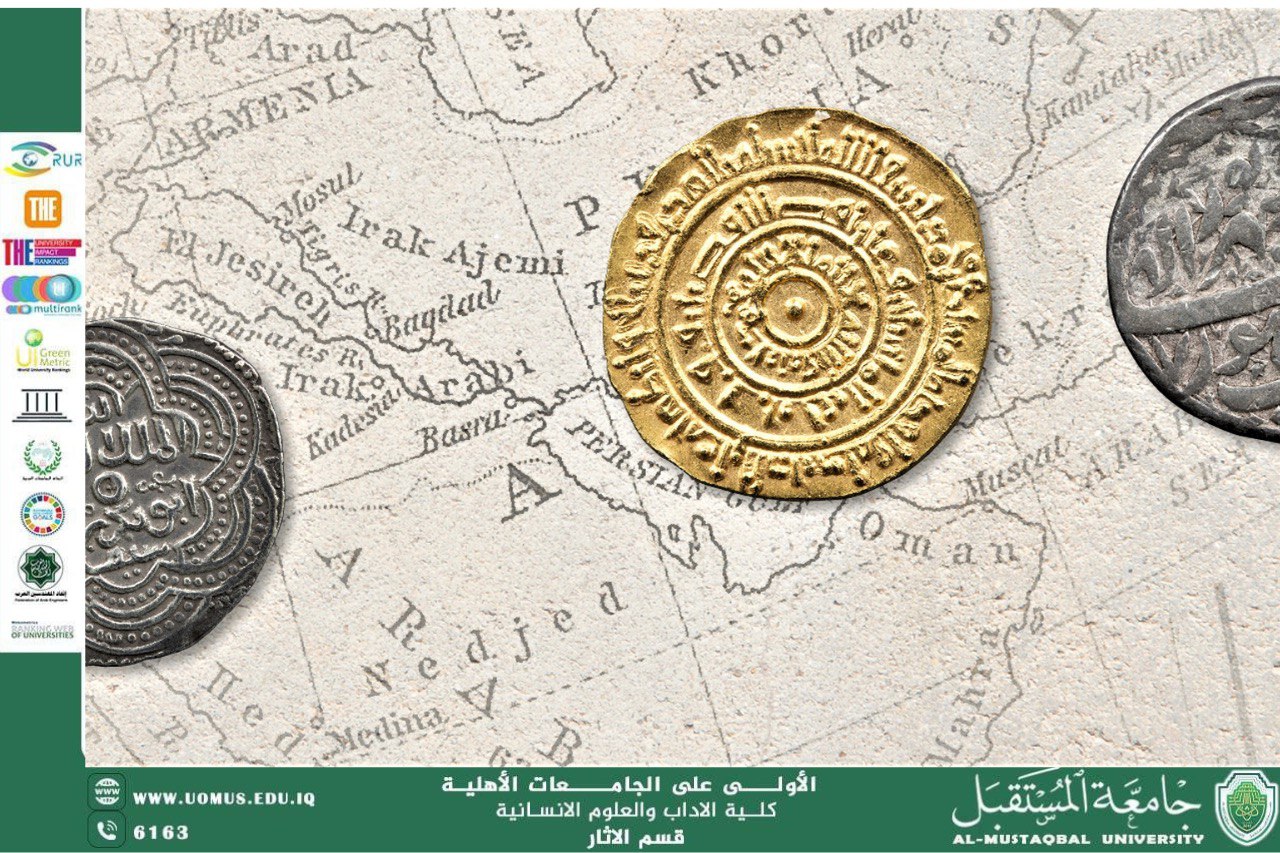
Islamic coinage in India is considered one of the most important material evidences reflecting the political and religious transformations that occurred in the Indian subcontinent since the Islamic conquest of Sindh led by Muhammad ibn al-Qasim al-Thaqafi. With the establishment of the Delhi Sultanate, particularly during the reign of Shams al-Din Iltutmish, gold dinars and silver dirhams appeared bearing Arabic inscriptions and royal titles.
His coinage was distinguished by the inclusion of the Islamic testimony of faith (Shahada) and the names of the Abbasid caliphs as a confirmation of religious and political legitimacy. During the era of the Mughal Empire in India (1526–1857), coinage reached a high level of artistic precision and monetary organization.
During the reign of Emperor Jalal al-Din Akbar (1556–1605), inscriptions became more diverse and reforms were introduced that strengthened the unity of the currency. In the time of Nur al-Din Jahangir (1605–1627), coins appeared with astronomical symbols and rare images that reflected a distinctive artistic tendency.
The reign of Shah Jahan (1628–1658) witnessed a flourishing of the beauty of Arabic and Persian calligraphy on coins. The name of the ruler was inscribed on the coin immediately upon his accession to the throne as a declaration of sovereignty and a confirmation of authority.
These coins also reveal the interaction between Islamic culture and local Indian elements in decoration and minting. Therefore, Islamic coinage in India is considered an important historical source for studying the economy, art, and authority throughout the Islamic centuries in the Indian subcontinent.
M.M Haider Jabbar Hassan
Al-Mustaqbal University ranks first among private universities in Iraq.