Scientific Article Title Glycated Hemoglobin (HbA1c) and Its Importance in Diabetes Monitoring
commonly known as glycated hemoglobin or cumulative blood sugar, is an important biochemical indicator used to evaluate the average blood glucose level in the body over a prolonged period of time. This test reflects the average blood glucose concentration during the previous two to three months, making it a valuable tool in monitoring long-term glucose control in individuals with .
The formation of glycated hemoglobin occurs when glucose in the bloodstream binds non-enzymatically to hemoglobin, the protein found in red blood cells responsible for carrying oxygen. Because red blood cells typically live for about 120 days, the percentage of glycated hemoglobin reflects the average blood glucose concentration over the lifespan of these cells. When blood glucose levels remain elevated for long periods, a higher proportion of hemoglobin becomes glycated, leading to increased HbA1c values.
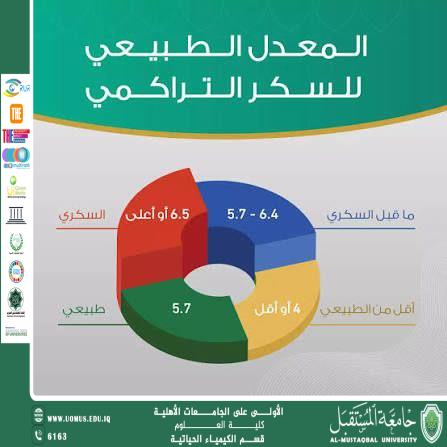
The measurement of HbA1c is widely used in clinical laboratories as a reliable indicator of glycemic control. It is particularly useful for evaluating the effectiveness of diabetes management and treatment strategies. Physicians often rely on HbA1c values to determine whether patients are maintaining appropriate blood glucose levels and to adjust therapeutic plans accordingly. Generally, an HbA1c level below 5.7% is considered normal, while higher values may indicate prediabetes or diabetes.
Poor control of blood glucose levels over time can lead to serious complications affecting multiple organs in the body. Long-term hyperglycemia may damage blood vessels and nerves, increasing the risk of cardiovascular diseases, kidney damage, vision problems, and nerve disorders. Therefore, monitoring HbA1c levels plays a critical role in preventing or delaying the development of these complications.
Effective management of blood glucose involves a combination of healthy lifestyle choices and medical treatment. Regular physical activity, maintaining a balanced diet, and following prescribed medications such as can help improve glycemic control and maintain HbA1c levels within the recommended range. In addition, regular medical checkups and laboratory testing are essential for ensuring proper management of diabetes.
In conclusion, glycated hemoglobin (HbA1c) is a crucial biochemical marker for evaluating long-term blood glucose control and assessing the effectiveness of diabetes management. Understanding its significance helps healthcare professionals and patients monitor the progression of the disease and reduce the risk of long-term complications associated with diabetes.
Al-Mustaqbal University
The First Among Iraqi Private Universities