Rock Breakwaters Design and Flood Protection Efficiency
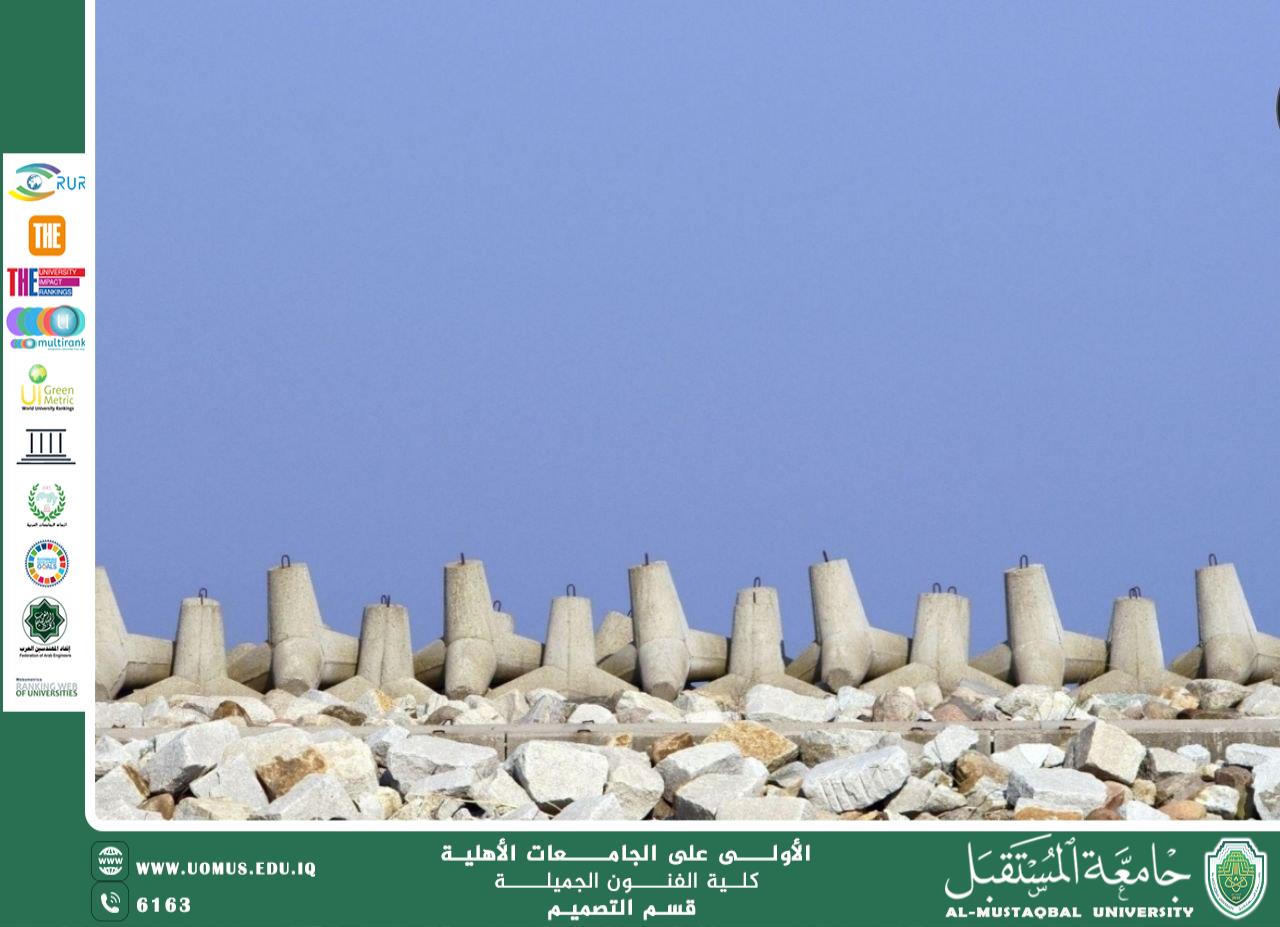
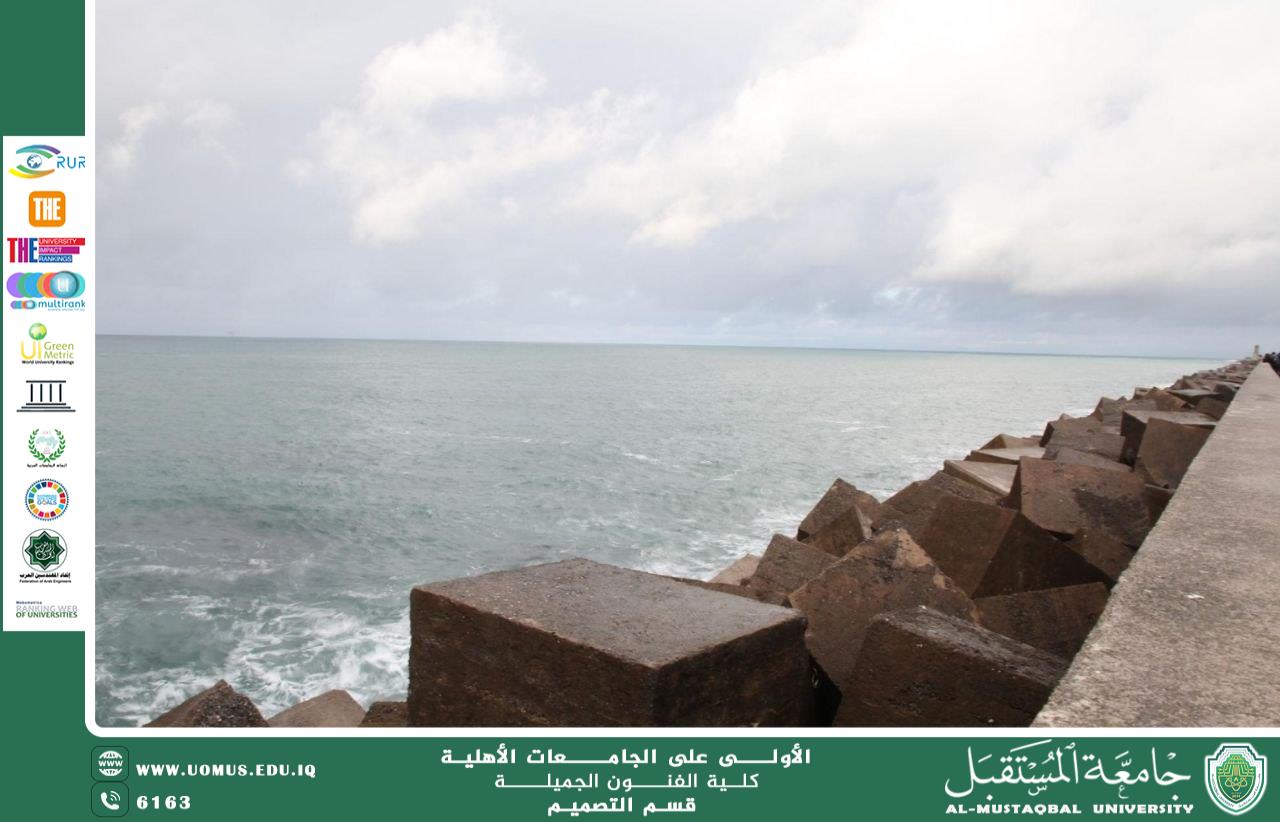
Rock breakwaters are among the most important coastal engineering structures, playing a pivotal role in protecting shorelines and urban areas from flooding and rising water levels. This type of breakwater relies on large carefully arranged rock blocks that form a barrier to reduce wave energy and minimize its direct impact on the land.
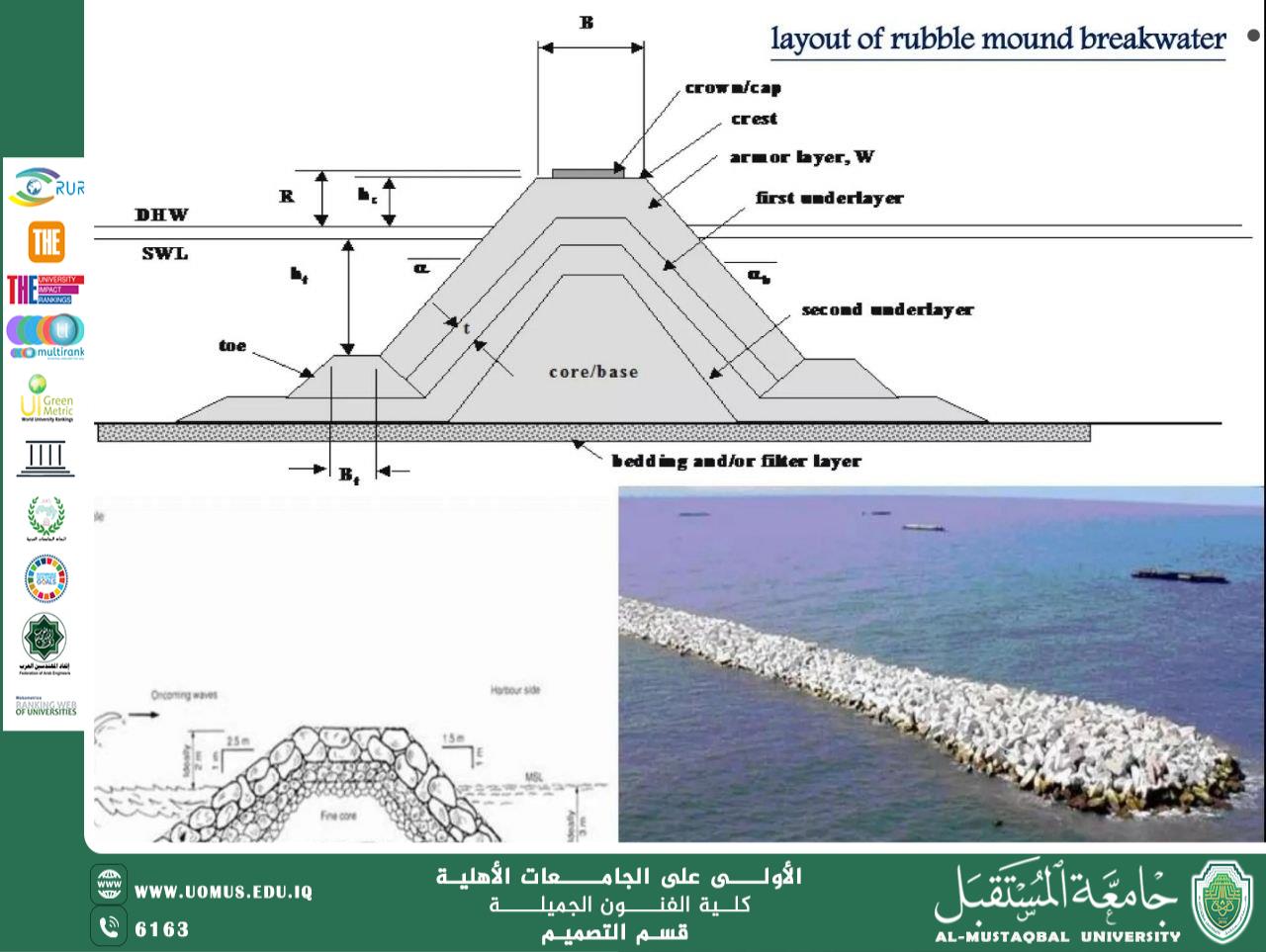
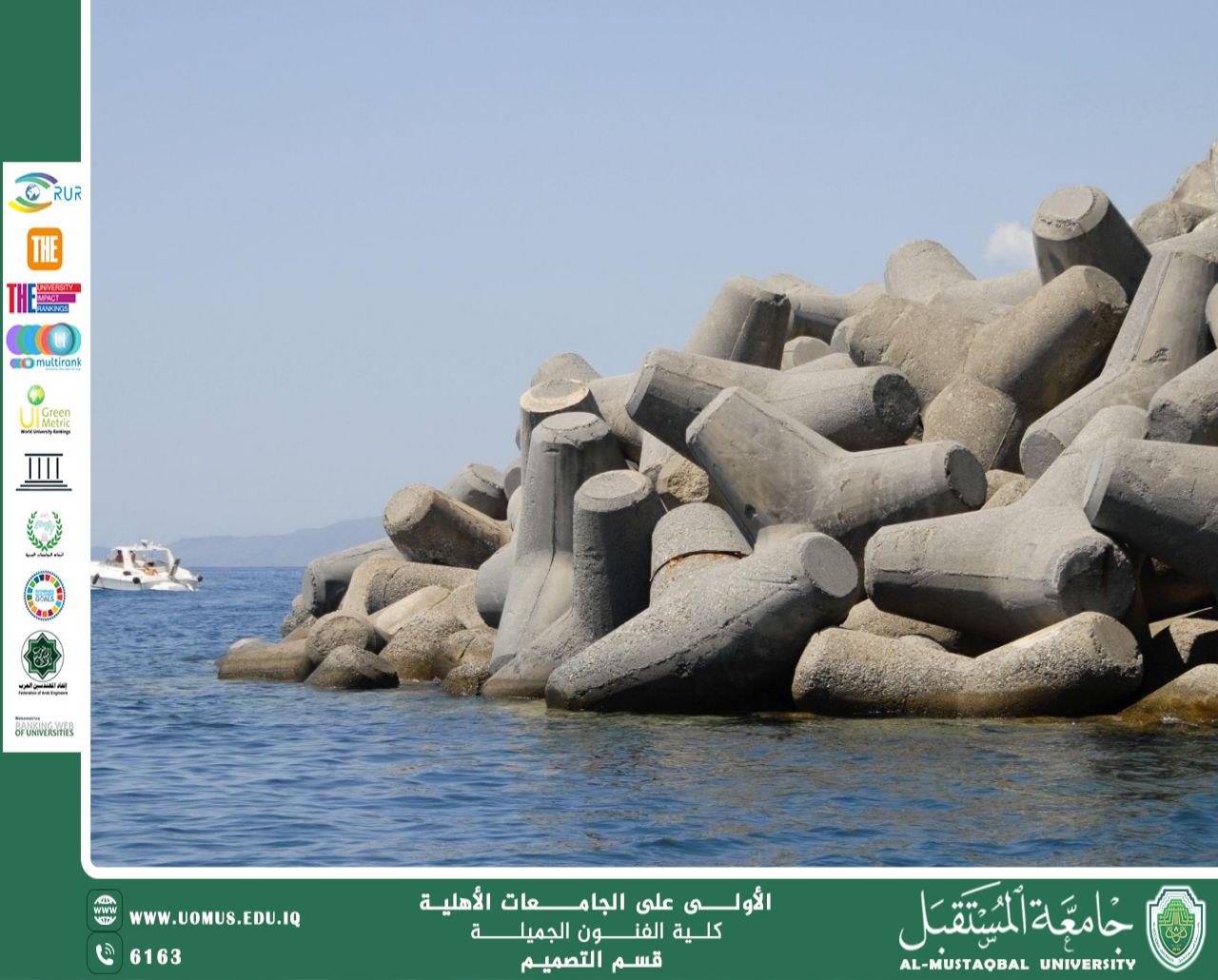
The design of rock breakwaters depends on several engineering and environmental factors, including wave characteristics, water depth, soil type, wind speed, and a historical study of floods in the targeted area. The breakwater usually consists of multiple layers: a base layer of smaller rocks for structural stability, intermediate layers, and an outer layer of large rock blocks known as the "armor layer," which absorbs and dissipates wave energy.
Studies and practical experiences over the past decades have proven the effectiveness of rock breakwaters in reducing flood risks. They lower wave heights and slow down wave speeds before reaching the shore, thereby limiting soil erosion. They also protect infrastructure such as ports, coastal roads, and residential areas near the sea.
Economically, rock breakwaters are a suitable option compared to other engineering solutions, as they rely on relatively available natural materials, are easy to maintain, and can be enhanced in the future by adding new layers. They are also flexible enough to adapt to environmental changes and rising water levels due to climate change.
However, these structures do pose challenges, as they may affect the marine ecosystem by altering sediment movement and currents, which requires detailed environmental impact assessments before implementation.
In conclusion, rock breakwaters represent an effective and sustainable engineering solution to mitigate floods, especially when designed according to precise scientific principles that balance environmental protection with engineering efficiency, making them a strategic choice for facing future coastal challenges.