A scientific article by Prof. Dr. Nasser Abdul Hassan Nasser titled(Digital Threats: How They Affect Our Daily Lives and Ways to Prevent Them)
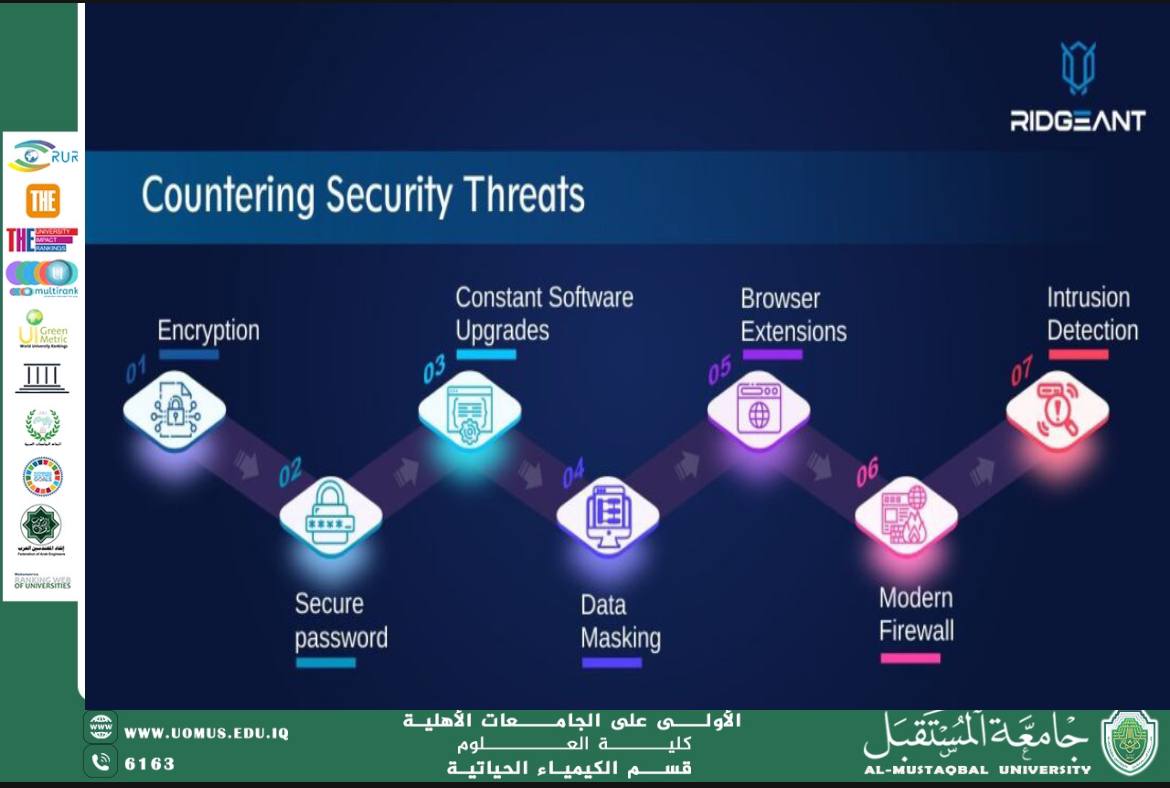
In our modern era, technology has become an integral part of our daily lives, influencing various aspects from work and education to entertainment and social communication. However, along with all the benefits technology offers, digital threats have increased in recent years, posing a significant risk to individuals, businesses, and governments alike. From cyberattacks to data breaches, these threats demonstrate the potential to disrupt systems and expose individuals to financial and personal risks. But do we truly understand the scale of these threats and how to prevent them?<br />Types of Digital Threats<br />Digital threats are diverse and multifaceted, but the most prominent ones include:<br />1. Cyberattacks:<br />Cyberattacks are one of the most significant digital threats, capable of breaching the systems of businesses or government institutions, allowing hackers to access sensitive information such as financial data or personal details. These attacks can be motivated by financial gain, political motives, or other interests, and they can target individuals or large corporations.<br />2. Malware:<br />Malware is one of the primary forms of digital attacks used to damage devices or breach data. It includes viruses, worms, spyware, and ransomware. These malicious programs spread through the internet or email attachments and are designed to steal data or disrupt systems.<br />3. Phishing:<br />Phishing is a common tactic used by attackers to obtain sensitive information from individuals, such as passwords or banking details. Fake emails or text messages are sent, appearing to come from trusted sources, urging the recipient to click on a harmful link or enter personal information.<br />4. Data Breaches:<br />Data breaches are one of the most concerning digital threats today, as they can lead to the leakage of sensitive information. Attackers may gain access to databases of companies or governments, exposing customer or employee information to risk.<br />5. Artificial Intelligence Attacks:<br />As technology advances, attackers are beginning to use artificial intelligence (AI) techniques to develop new forms of attack. AI can help enhance malware capabilities, enabling it to bypass traditional security systems, which makes digital attacks more complex.<br />The Impact of Digital Threats on Individuals and Businesses<br />Digital threats affect individuals and businesses in various ways:<br />1. Financial Impact:<br />One of the most significant negative effects of digital threats is financial loss. A cyberattack or data breach can lead to substantial financial damage, either through theft or the costs of countering the attack and implementing recovery measures. Reports suggest that companies can suffer losses amounting to billions of dollars due to digital attacks.<br />2. Damage to Reputation:<br />Digital attacks can severely harm the reputation of businesses. For instance, if customer data is leaked or a company suffers a breach, trust in the company declines significantly, leading to the loss of customers and a tarnished reputation in the market.<br />3. Psychological Impact on Individuals:<br />Digital breaches can have significant psychological effects on individuals. When personal data is stolen or systems are breached, many people experience extreme anxiety regarding their financial security and even their identity. Such incidents may lead to mental health issues, such as stress and constant worry.<br />Ways to Prevent and Protect Against Digital Threats<br />To protect ourselves from digital threats, several preventive measures can be taken:<br />1. Use Strong and Unique Passwords:<br />Strong passwords are a fundamental part of securing digital accounts. Passwords should be long and complex, containing a mix of uppercase and lowercase letters, numbers, and symbols. It is recommended to use password management tools to store passwords securely.<br />2. Regular Software Updates:<br />Keeping software up to date is one of the best ways to protect devices from digital attacks. Updates typically fix security vulnerabilities that attackers might exploit. Make sure to regularly update operating systems, applications, and programs.<br />3. Use Antivirus Software:<br />Antivirus software is essential for protecting devices. It helps detect and remove any threats before they can affect the system.<br />4. Be Cautious of Suspicious Messages:<br />Be cautious when receiving emails or text messages from unknown sources. These messages may contain harmful links or attachments designed to steal personal information.<br />5. Enable Two-Factor Authentication (2FA):<br />Two-factor authentication is one of the best ways to secure digital accounts. It requires users to enter an additional code after their password, providing an extra layer of security.<br />Digital threats have become a part of daily life and cannot be ignored. With the increasing prevalence of cyberattacks, individuals and businesses must be prepared to protect their data and systems from digital risks. By taking the proper preventive measures, such as using strong passwords, updating software, and increasing security awareness, we can significantly reduce the risks. Understanding these threats and being prepared for them can help ensure that we continue to enjoy the numerous benefits technology offers while maintaining our digital safety.<br />Al-Mustaqbal University, the first university in Iraq.<br /><br /><br />