A scientific article by Professor Dr. Nasser Abdul Hassan Nasser on the importance of biochemistry in treating digital drug addicts
The Importance of Biochemistry in Treating Digital Drug Addiction
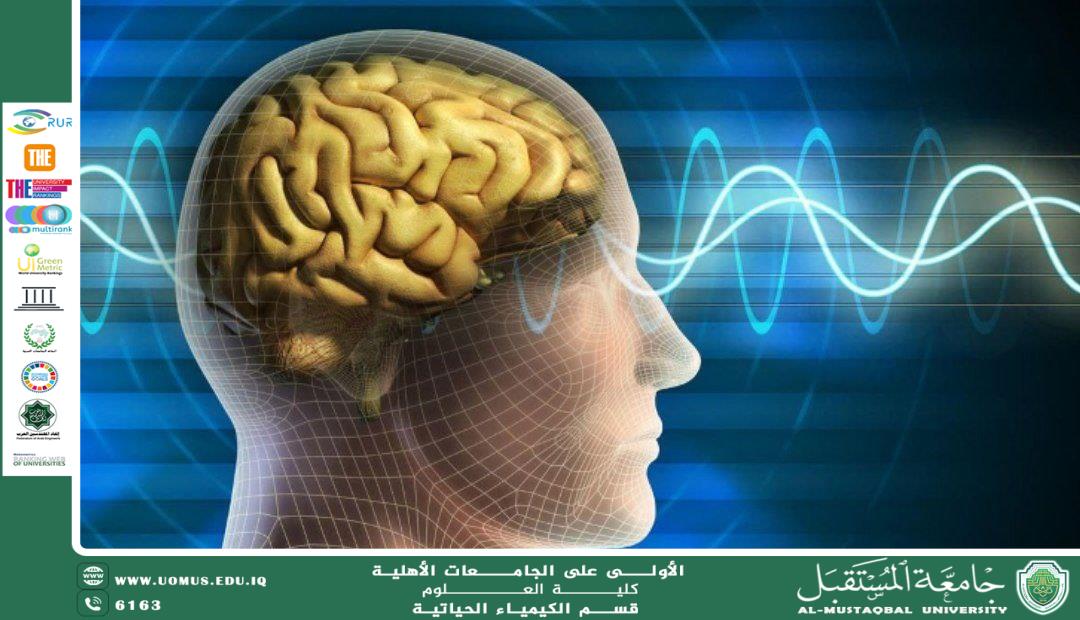
Biochemistry is one of the most important sciences concerned with studying the chemical reactions that occur within the human body, particularly in the brain and nervous system. With the tremendous advancement of technology, a new form of addiction has emerged known as digital drug addiction—the use of sound or frequency files that produce effects on the brain similar to those of traditional drugs. This type of addiction has become a significant research topic that combines neuroscience and biochemistry.
1. The Biochemical Mechanism of Digital Addiction
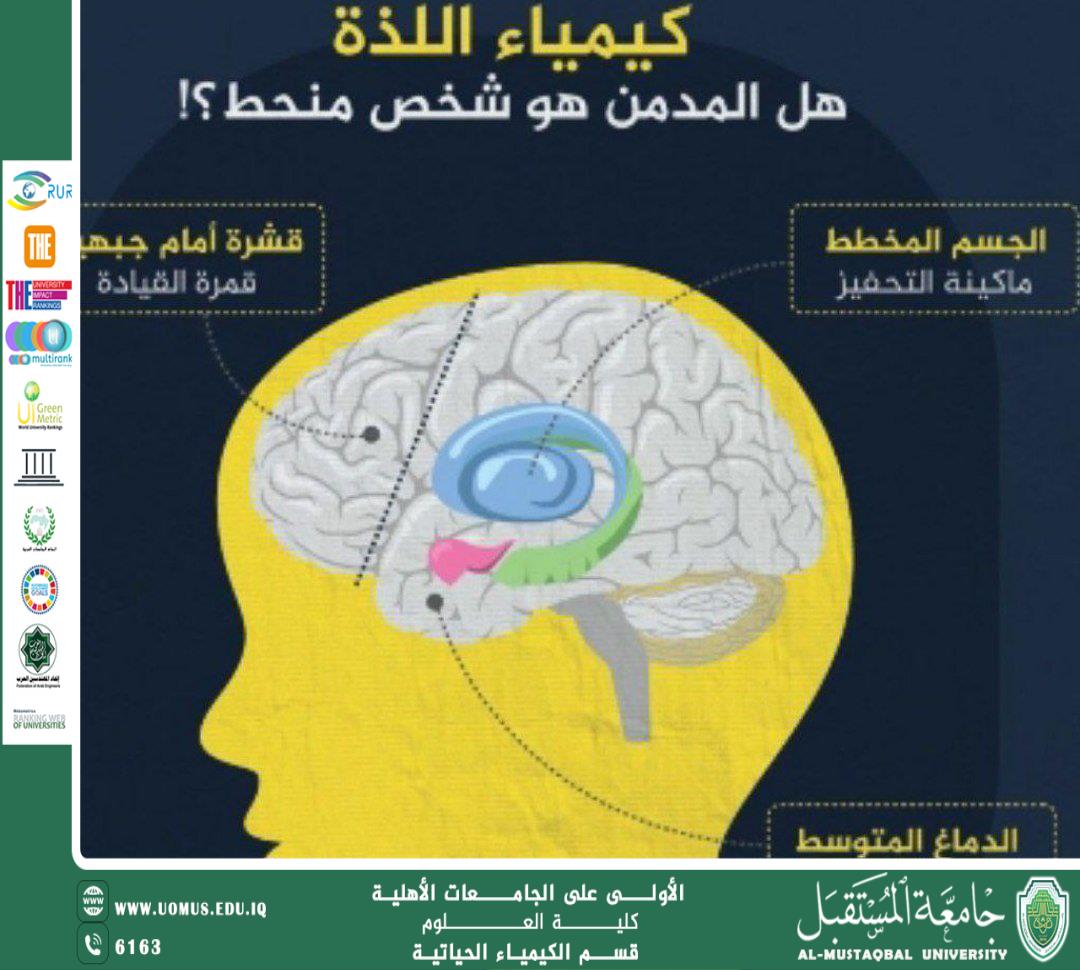
Repeated exposure to digital drugs affects neurotransmitters in the brain, such as dopamine and serotonin, which are directly related to feelings of pleasure and reward. When these neural pathways are abnormally stimulated, a disturbance occurs in the brain’s chemical balance, leading to a persistent urge to repeat the experience—a state known as neurological or psychological dependence.
2. The Role of Biochemistry in Understanding Addiction
By studying the biochemical changes that occur in neurotransmitters and the enzymes responsible for regulating them, biochemistry helps researchers identify the causes of altered neural activity and understand the relationship between sound waves and brain chemistry. Biochemical analyses also make it possible to monitor the chemical state of patients throughout the various stages of treatment.
3. Therapeutic Applications of Biochemistry
The findings of biochemical studies are used to develop pharmaceutical or nutritional treatments that restore the chemical balance of the brain and reduce withdrawal symptoms. In addition, biochemical therapy can be supported by psychological and behavioral programs that help correct neural responses and restore emotional balance.
It is clear that biochemistry plays a crucial role in understanding and treating digital addiction. It provides the scientific foundation for explaining how sound frequencies affect the brain and contributes to designing more precise and effective treatment programs. Through this integration of science and practice, society can address modern forms of addiction using approaches grounded in knowledge and scientific research.
Al-Mustaqbal University, The First University in Iraq.