البريد الالكتروني

[email protected]

رقم الهاتف

6163

العودة إلى الملف الشخصي
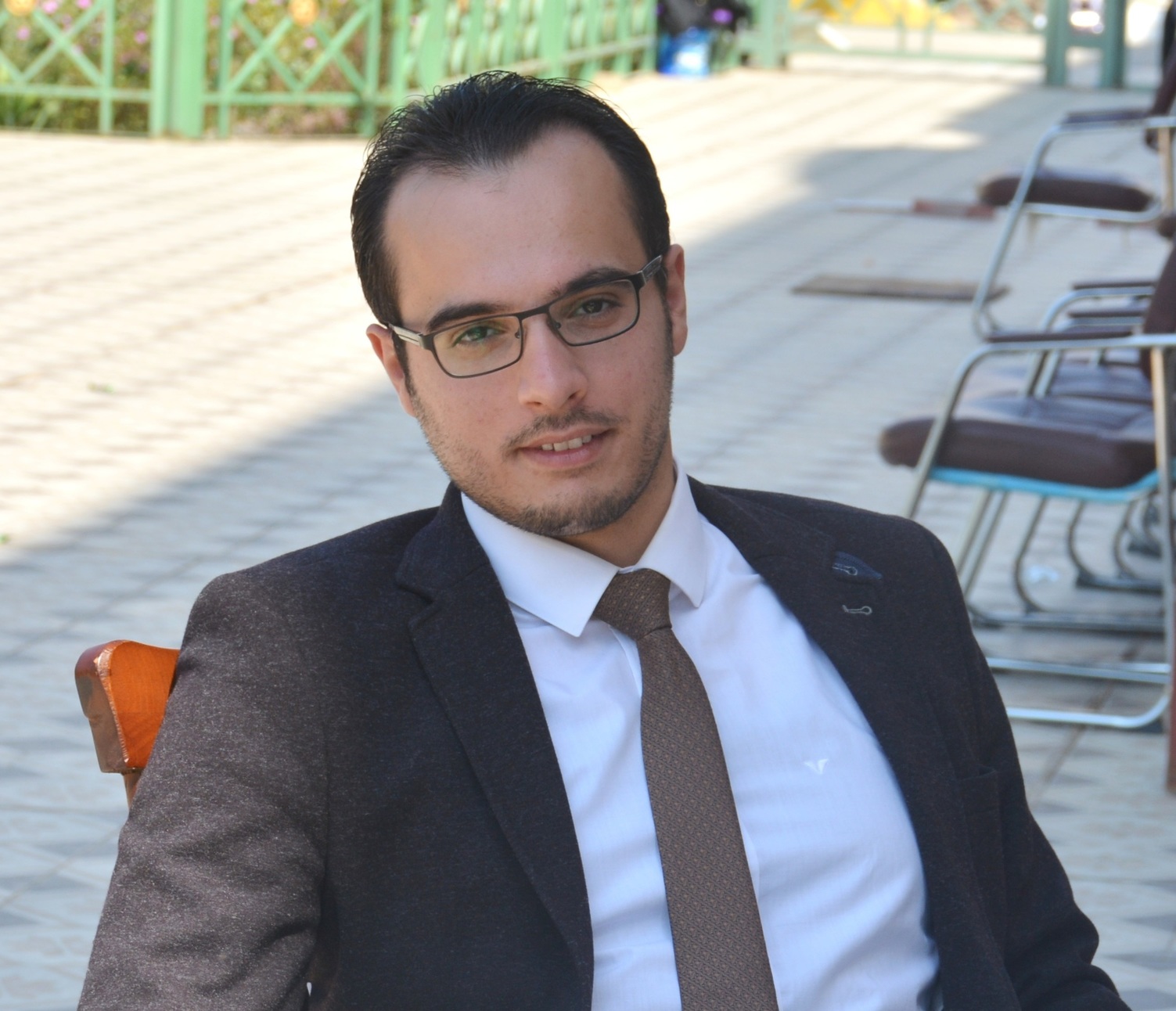
م.د. حسين علي أمين عوض

بحوث سكوبس — م.د. حسين علي أمين عوض

هندسة الحاسوب • الذكاء الاصطناعي

15 إجمالي البحوث
233 إجمالي الاستشهادات
2023 أحدث نشر
4 أنواع المنشورات
عرض 15 بحث
2023
2 بحث
Zhu C.; El-Rahman M.A.; Hamida M.B.B.; Ameen H.A.; Malekshah E.H.; Aybar H.Ş.
Engineering Analysis with Boundary Elements , Vol. 148, pp. 305-316
12 استشهاد Article English ISSN: 09557997
School of Artificial Intelligence, Chongqing Technology and Business University, Chongqing, 400067, China; Chongqing Engineering Laboratory for Detection, Control and Integrated System, Chongqing Technology and Business University, Chongqing, 400067, China; Department of Physics, College of Science, King Khalid University, Abha, 61413, Saudi Arabia; Department of Radiation Physics, NCRRT, Atomic Energy Authority, Cairo, Egypt; College of Engineering, Department of Mechanical Engineering, Imam Mohammad Ibn Saud Islamic University (IMSIU), Riyadh, Saudi Arabia; Research Laboratory of Ionized Backgrounds and Reagents Studies (EMIR), Preparatory Institute for Engineering Studies of Monastir (IPEIM), University of Monastir, Monastir City, Tunisia; Higher School of Sciences and Technology of Hammam Sousse (ESSTHS), Department of Physics, University of Sousse, Tunisia; Department of Computer Techniques Engineering, Al-Mustaqbal University College, Hillah, 51001, Iraq; Department of Power Engineering and Turbomachinery, Silesian University of Technology, Gliwice, 44-100, Poland; Department of Mechanical Engineering, Eastern Mediterranean University, TRNC, via Mersin 10, Turkey; Department of Medical Research, China Medical University Hospital, China Medical University, Taichung, Taiwan
This paper designs and simulates a circular heatsink (HSK) with a novel geometry. A number of cylindrical pin-fins (PIFs) are placed on the HSK. The flow of alumina/water nanofluid (NF) enters from the middle of the HSK, passes through the PIFs, goes toward the outer curvature, and exits from the HSK. Constant thermal flux is applied at the bottom of the HSK. The variables include the length of PIFs changing from 5 to 20 mm, the distance between PIFs varying from 10 to 15 mm, and the diameter of PIFs changing from 1 to 4 mm. The effect of these variables on the maximum of the HSK, the average temperature (T-AV) of the HSK is examined. Finally, numerical optimization is done on the results using machine learning and artificial intelligence in terms of the minimum HSK temperature. The flow of NF is simulated using a two-phase model and the finite element method (FEM). An increment in the length of the PIFs from 5 to 20 reduces the T-AV by 11.42 K. An increment in the diameter of the PIFs from 1 to 4 reduces the T-AV of the HSK by 5.98 K. © 2022 Elsevier Ltd
الكلمات المفتاحية: Nanofluid Heatsink Optimization Pin-fin Two-phase method
Alizadeh M.; Fazlollahtabar A.; Hussein A.K.; Ameen H.A.; Ganji D.D.; Biswal U.; Ali B.
Korean Journal of Chemical Engineering , Vol. 40 (10), pp. 2538-2554
4 استشهاد Article English ISSN: 02561115
Mechanical Engineering Department, Babol Noshirvani University of Technology, Babol, Iran; College of Engineering - Mechanical Engineering Department, University of Babylon, Babylon City, Iraq; Department of Computer Techniques Engineering, Al-Mustaqbal University College, Hillah, 51001, Iraq; Department of Mathematics, Laxminarayan College, Odisha, Jharsuguda, 768201, India; School of Mechanical Engineering and Automation, Harbin Institute of Technology, Shenzhen, 518055, China
The interaction between the magneto-hydrodynamic buoyant convection and the radiation in a partly heated hexagonal enclosed space filled with SWCNTs/water nanoliquid was inspected in the current work for the first time. The lowermost wall of the enclosed space was partially heated, while the other regions of this wall were presumed thermally insulated. The upper wall was considered insulated also. The four inclined walls of the enclosed space were maintained at a constant cold temperature. A magnetic field with magnitude, B o is enforced on the enclosed space. The enclosed space was included inside it a concave hexagonal shaped body under three different conditions at its boundary namely (cold, adiabatic and heated). The outcomes of the present work are obtained for diverse Hartmann number, Rayleigh number varied as 104≤Ra≤106, heated region length varied as 0.1≤L T≤0.4, various conditions of the internal hexagonal body (cold, adiabatic and heated), solid volume fraction diverse as 0≤φ≤0.04 and radiation parameter varied as 0≤Rd≤1. In the present work, the standard Galerkin finite element method (SGFEM) is employed to model the fluid flow and heat transfer. It is established that the Nusselt number along the heated bottom wall of the hexagonal enclosed space (Nu out) rises as Rayleigh number rises. The same increasing is seen for the velocity distribution along vertically mean position. The stream function and Nu out decrease as the Hartmann number increases. The stream function, temperature and velocity have the maximum profiles at the heated condition followed by the adiabatic one, while the cold condition has the minimum profile. © 2023, The Korean Institute of Chemical Engineers.
الكلمات المفتاحية: Free Convection Hexagonal Cavity Magnetic Field Nanoliquid Radiation
2022
5 بحث
Zaidan R.A.; Alamoodi A.H.; Zaidan B.B.; Zaidan A.A.; Albahri O.S.; Talal M.; Garfan S.; Sulaiman S.; Mohammed A.; Kareem Z.H.; Malik R.Q.; Ameen H.A.
Engineering Applications of Artificial Intelligence , Vol. 111
29 استشهاد Short survey English ISSN: 09521976
Department of Computing, Faculty of Arts, Computing and Creative Industry, Universiti Pendidikan Sultan Idris (UPSI), Perak, Malaysia; Future Technology Research Center, College of Future, National Yunlin University of Science and Technology, 123 University Road, Section 3, Douliou, Yunlin, 64002, Taiwan; Faculty of Engineering and IT / the British University in Dubai (BUiD)/ Dubai, United Arab Emirates; Department of Electronic Engineering, Faculty of Electrical and Electronic Engineering, Universiti Tun Hussein Onn Malaysia (UTHM), Parit Raja, Batu Pahat, Johor, Malaysia; Department of information management, College of management, National Yunlin University of Science and Technology, 123 University Road, Section 3, Douliou, Yunlin, 64002, Taiwan; Department of Civil Engineering, Faculty of Engineering and Built Environment, Universiti Kebangsaan Malaysia (UKM), Bangi, Selangor, 43600, Malaysia; Department of medical instrumentation techniques engineering, Al-Mustaqbal University College, Hillah, 51001, Iraq; Department of Computer Techniques Engineering, Al-Mustaqbal University College, Hillah, Iraq
The aim of this article is to review and analyse previous academic articles associated with car behaviour analysis for the period of 2010 to June 10, 2021 and understand the benefits of using data collection devices. Articles related to car driver behaviour and sensor utilisation are systematically searched. Three major databases – ScienceDirect, IEEE Xplore and Web of Science – were searched. A set of inclusion and exclusion criteria were developed for the search protocol. All articles were coherently classified via taxonomy. Also. The motives that have led researchers to continue their investigations are explored. The challenges and issues of driver behaviour analysis are illustrated with respect to power consumption, data analysis, detection, cost, security and privacy, sensor usage and individual challenges. The research direction of this review points towards different aspects based on the critical analysis of the different scenarios of driver behaviour studies in real time situations. Here, the critical behaviour analysis of intelligent transportation system development is addressed. The gaps in the reviewed articles include the following: sensors used during experiments, the effect of thresholds on labelling processes or data balancing and classification accuracy, the thresholds in identifying driving styles in the car-following model, insufficient experiment size (large scale or small scale) and limitations in data pre-processing. An implementation map depicting the steps of the case study is provided to give insights into the procedures and the problems they address. This review is expected to offer valid and clear points, contributing to the enhancement of driver behaviour research. © 2022 Elsevier Ltd
الكلمات المفتاحية: Communication Data exchange Driver behaviour Sensor
Abdulwahid S.N.; Mahmoud M.A.; Ibrahim N.; Zaidan B.B.; Ameen H.A.
International Journal of Environmental Research and Public Health , Vol. 19 (13)
14 استشهاد Article Open Access English ISSN: 16617827
College of Graduate Studies, Universiti Tenaga Nasional, Kajang, 43000, Malaysia; Institute of Informatics and Computing in Energy, Department of Computing, College of Computing and Informatics, Universiti Tenaga Nasional, Kajang, 43000, Malaysia; Future Technology Research Center, National Yunlin University of Science and Technology, Douliu, 64002, Taiwan; Department of Computer Techniques Engineering, Al-Mustaqbal University College, Hillah, 51001, Iraq
Driving behavior is considered one of the most important factors in all road crashes, accounting for 40% of all fatal and serious accidents. Moreover, aggressive driving is the leading cause of traffic accidents that jeopardize human life and property. By evaluating data collected by various collection devices, it is possible to detect dangerous and aggressive driving, which is a huge step toward altering the situation. The utilization of driving data, which has arisen as a new tool for assessing the style of driving, has lately moved the concentration of aggressive recognition research. The goal of this study is to detect dangerous and aggressive driving profiles utilizing data gathered from motorcyclists and smartphone APPs that run on the Android operating system. A two-stage method is used: first, determine driver profile thresholds (rules), then differentiate between nonaggressive and aggressive driving and show the harmful conduct for producing the needed outcome. The data were collected from motorcycles using-Speedometer GPS-, an application based on the Android system, supplemented with spatiotemporal information. After the completion of data collection, preprocessing of the raw data was conducted to make them ready for use. The next steps were extracting the relevant features and developing the classification model, which consists of the transformation of patterns into features that are considered a compressed representation. Lastly, this study discovered a collection of key characteristics which might be used to categorize driving behavior as aggressive, normal, or dangerous. The results also revealed major safety issues related to driving behavior while riding a motorcycle, providing valuable insight into improving road safety and reducing accidents. Copyright: © 2022 by the authors. Licensee MDPI, Basel, Switzerland.
الكلمات المفتاحية: aggressive behavior modeling motorcyclists real-time data analysis road safety traffic violation
Kareem Z.H.; Zaidan A.A.; Ahmed M.A.; Zaidan B.B.; Albahri O.S.; Alamoodi A.H.; Malik R.Q.; Albahri A.S.; Ameen H.A.; Garfan S.; Mohammed A.; Zaidan R.A.; Ramli K.N.
Complex and Intelligent Systems , Vol. 8 (2), pp. 909-931
11 استشهاد Article Open Access English ISSN: 21994536
Department of Computing, Faculty of Arts, Computing and Creative Industry, Universiti Pendidikan Sultan Idris, Perak, Malaysia; Department of medical instrumentation techniques engineering, Al-Mustaqbal University College, Hillah, Iraq; Department of Computer Science, Computer Science and Mathematics College, Tikrit University, Tikrit, Iraq; Future Technology Research Center, National Yunlin University of Science and Technology, 123 University Road, Section 3, Douliou, Yunlin, 64002, Taiwan; Informatics Institute for Postgraduate Studies (IIPS), Iraqi Commission for Computers and Informatics (ICCI), Baghdad, Iraq; Department of Electronic Engineering, Faculty of Electrical and Electronic Engineering, Universiti Tun Hussein Onn Malaysia, Parit Raja, Malaysia; Faculty of Engineering and Built Environment, Department of Civil Engineering, Universiti Kebangsaan Malaysia (UKM), Selangor, Bangi, Malaysia
Despite the wide range of research on pedestrian safety, previous studies have failed to analyse the real-time data of pedestrian walking misbehaviour on the basis of either pedestrian behaviour distraction or movements during specific activities to realise pedestrian safety for positive (normal) or aggressive pedestrians. Practically, pedestrian walking behaviour should be recognised, and aggressive pedestrians should be differentiated from normal pedestrians. This type of pedestrian behaviour recognition can be converted into a classification problem, which is the main challenge for pedestrian safety systems. In addressing the classification challenge, three issues should be considered: identification of factors, collection of data and exchange of data in the contexts of wireless communication and network failure. Thus, this work proposes a novel approach to pedestrian walking behaviour classification in the aforementioned contexts. Three useful phases are proposed for the methodology of this study. In the first phase involving factor identification, several factors of the irregular walking behaviour of mobile phone users are established by constructing a questionnaire that can determine users’ options (attitudes/opinions) about mobile usage whilst walking on the street. In the second phase involving data collection, four different testing scenarios are developed to acquire the real-time data of pedestrian walking behaviour by using gyroscope sensors. In the third phase involving data exchange, the proposed approach is presented on the basis of two modules. The first module for pedestrian behaviour classification uses random forest and decision tree classifiers part of machine learning techniques via wireless communication when a server becomes available. The developed module is then trained and evaluated using five category sets to obtain the best classification of pedestrian walking behaviour. The second module is based on four standard vectors for classifying pedestrian walking behaviour when a server is unavailable. Fault-tolerant pedestrian walking behaviour is identified and is initiated when failures occur in a network. Two sets of real-time data are presented in this work. The first dataset is related to the questionnaire data from 262 sampled respondents, and the second dataset comprises data on 263 sampled participants with pedestrian walking signals. Experimental results confirm the efficacy of the proposed approach relative to previous ones. © 2021, The Author(s).
الكلمات المفتاحية: Data exchange Machine learning Pedestrian walking behaviour Smartphone Vehicle-to-pedestrian
Shamman A.H.; Alasadi H.A.; Ameen H.A.; Rasol Z.I.; Gheni H.M.
Indonesian Journal of Electrical Engineering and Computer Science , Vol. 27 (1), pp. 466-477
7 استشهاد Article Open Access English ISSN: 25024752
Department of Computer Engineering Techniques, Al-Mustaqbal University College, Babil, Iraq
Cloud services are the cutting edge technology, however the growing demand for the internet of things has certain limitations which are high latency expectation and high cost of cloud resources, and this is caused by long-distance between application and cloud. Fog computing is a distributed extension of the cloud, which provide storage and computation at the network level. It consists of an internet of things (IoT) application, a fog control node, and a fog access node. This research works towards minimizing the cloud cost in scheduling. For this purpose, a cost-effective task and user scheduling algorithm are performed. The first task scheduling model is composed based on composers' roles after that task scheduling algorithm is performed to handle the various task at the fog access node in an optimized manner. Finally, the reallocation mechanism reduces the time and service delay. For the analysis purpose extensive simulation is carried out and performance statistics were compared with other existing algorithms. It was observed that the proposed algorithm provides highly cost-optimized user and task scheduling with better performance statistics and reduces the delay in the task by providing optimization in the concurrent task at the fog node. © 2022 Institute of Advanced Engineering and Science. All rights reserved.
الكلمات المفتاحية: Cloud Execution time Fog Internet of things Task scheduling
Abdul-Rahaim L.A.; Gheni H.M.; Ameen H.A.
HORA 2022 - 4th International Congress on Human-Computer Interaction, Optimization and Robotic Applications, Proceedings
2 استشهاد Conference paper English
College of Engineering, Electrical Engineering Department, University of Babylon, Hilla, Iraq; Al-Mustaqbal University College, Computer Techniques Engineering Department, Hilla, Iraq
Regardless of new and emerging technologies and developments for vehicle safety, worldwide fatalities in car accidents have been on the rise in recent years, largely attributable to driver mistakes. As a result, a dependable real-time warning system capable of alerting drivers to a collision is necessary. V2C (Vehicle-to-Cloud) is a vast field of active research and development that has transformed the driving experience. Driver behavior is the topic of extensive work, focusing on the link between speeding and collisions, as drivers who speed often and excessively are more likely to be involved in crashes. To achieve this, in the framework of V2C, violation system-based driving behaviors have been developed. It was created with real-time V2C hardware for data collecting. The driver behavior in an urban context is acquired through an instrumented vehicle's OBD-II adapter and GPS data logger and is examined in different periods. By estimating the Vehicle's speed. Vehicle data (speed and location) will be transmitted to a cloud computing server (Things board) via an ESP8266 Wi-Fi network for speed analysis. The proposed system could email the driver who exceeded the street speed limit once a cloud computing server detects speed conditions. The driver's license will be revoked if they fail to respond to the email and frequently violate the road's speed limit. © 2022 IEEE.
الكلمات المفتاحية: Driver Behavior Driver Monitoring Internet of Things OBD2 V2C
2021
4 بحث
Ameen H.A.; Mahamad A.K.; Saon S.; Malik R.Q.; Kareem Z.H.; Bin Ahmadon M.A.; Yamaguchi S.
Information (Switzerland) , Vol. 12 (5)
15 استشهاد Article Open Access English ISSN: 20782489
Faculty of Electrical and Electronic Engineering, Universiti Tun Hussein Onn Malaysia, Parit Raja, 86400, Malaysia; Department of Computer Engineering Techniques, Al-Mustaqbal University College, Babil, 51001, Iraq; Graduate School of Science and Technology for Innovation, Yamaguchi University, Yamaguchi City, 753-8511, Japan
Driver behavior is a determining factor in more than 90% of road accidents. Previous research regarding the relationship between speeding behavior and crashes suggests that drivers who engage in frequent and extreme speeding behavior are overinvolved in crashes. Consequently, there is a significant benefit in identifying drivers who engage in unsafe driving practices to enhance road safety. The proposed method uses continuously logged driving data to collect vehicle operation information, including vehicle speed, engine revolutions per minute (RPM), throttle position, and calculated engine load via the on-board diagnostics (OBD) interface. Then the proposed method makes use of severity stratification of acceleration to create a driving behavior classification model to determine whether the current driving behavior belongs to safe driving or not. The safe driving behavior is characterized by an acceleration value that ranges from about ±2 m/s2 . The risk of collision starts from ±4 m/s2, which represents in this study the aggressive drivers. By measuring the in-vehicle accelerations, it is possible to categorize the driving behavior into four main classes based on real-time experiments: safe drivers, normal, aggressive, and dangerous drivers. Subsequently, the driver’s characteristics derived from the driver model are embedded into the advanced driver assistance systems. When the vehicle is in a risk situation, the system based on nRF24L01 + power amplifier/low noise amplifier PA/LNA, global positioning system GPS, and OBD-II passes a signal to the driver using a dedicated liquid-crystal display LCD and light signal. Experimental results show the correctness of the proposed driving behavior analysis method can achieve an average of 90% accuracy rate in various driving scenarios. © 2021 by the authors. Licensee MDPI, Basel, Switzerland.
الكلمات المفتاحية: Acceleration Aggressive driving GPS Speed Vehicle-to-vehicle (V2V)
Mohammed A.; Yazid M.R.M.; Zaidan B.B.; Zaidan A.A.; Garfan S.; Zaidan R.A.; Ameen H.A.; Kareem Z.H.; Malik R.Q.
IEEE Access , Vol. 9, pp. 139896-139927
13 استشهاد Article Open Access English ISSN: 21693536
Department of Civil Engineering, Faculty of Engineering and Built Environment, Universiti Kebangsaan Malaysia (UKM), Bangi, Selangor, Malaysia; Department of Computing, Faculty of Arts, Computing and Creative Industry, Universiti Pendidikan Sultan Idris, Tanjong Malim, Perak, Malaysia; Department of Computer Techniques Engineering, Al-Mustaqbal University College, Hillah, Iraq; Department of Medical Instrumentation Techniques Engineering, Al-Mustaqbal University College, Hillah, Iraq
Driver behavior is a concerning issue in the area of intelligent transportation system (ITS). Driver behavior is a significant key player in a wide range of unpleasant events during the ride, such as accidents or crashes, traffic congestion, harsh braking, and acceleration/deceleration. Influencing factors of driver behavior have been explored in several studies. It is imperative to investigate these factors in order to provide a comprehensive analysis and to categorize them on the basis of a coherent taxonomy. With that, this study conducted a systematic review on prior studies that focused on bus driver behavior, particularly in the ITS. This study also established a taxonomy on the topic of driver behavior in multiple areas of ITS and their classifications. Different databases, namely ScienceDirect, Web of Science, and IEEE Explore, were utilized to obtain relevant articles from 2008 to 2021 (15 April). Several filtering and scanning stages were performed according to the exclusion/inclusion criteria on all 2,803 articles obtained; however, only 87 articles met the criteria. The final set of articles were categorized into a taxonomy. The first part of the taxonomy focuses on five main factors that influence driver behavior: environmental, demographic, habit, vehicle, and on-road routine factors. The second part of the taxonomy discusses the mapping of data collection methods on the basis of four categories: real-time data collection, survey, simulation, and benchmark. Discussion and analysis were provided to highlight the critical literature gaps on bus driver behavior in the ITS, involving the use of real-time data collection, which is imperative for acquiring highly accurate and sophisticated data. This multi-field systematic review has exposed new research opportunities, motivations, challenges, limitations, and recommendations and highlighted the need for the synergistic integration of interdisciplinary works. Overall, this study presented pathways solution in future direction on the basis of three sequenced phases, namely design, labeling and validation, and machine learning. This study can serve as a guide for future researchers, as it addressed the ambiguities in the ITS-driver behavior domain and provided valuable information on these ITS-driver behavior trends. © 2013 IEEE.
الكلمات المفتاحية: behavior bus bus driver driver behavior Intelligent transportation system ITS
Ameen H.A.; Mahamad A.K.; Saon S.; Ahmadon M.A.; Yamaguchi S.
Advances in Science, Technology and Engineering Systems , Vol. 6 (1), pp. 550-569
13 استشهاد Article Open Access English ISSN: 24156698
Faculty of Electrical and Electronic Engineering, Universiti Tun Hussein Onn Malaysia, Parit Raja, 86400, Malaysia; Department of Computer Engineering Techniques, Al-Mustaqbal University College, Babil, 51001, Iraq; Graduate School of Science and Technology for Innovation, Yamaguchi University, Japan
Vehicle accidents, particularly in small and large urban areas, are rising tremendously day by day worldwide. As a recent research subject in automaton transportation, the subsequent collision has become a vital issue and emergency. Internet of things (IoT) and the Internet of Vehicles (IoV) have become very popular these days because of their versatility, and robust cybersecurity underpin these new connected services. Aggressive driving among improper driving behaviours is a mainly responsible cause of traffic accidents that endanger human safety and property. Identifying dangerous driving is a significant step in changing this situation by analyzing data recorded through different gathering devices. The focus of aggressive recognition research has recently shifted to the use of vehicle motion data, which has emerged as a new technique for understanding the phenomenon of traffic. As aggressive driving refers to abrupt changes in actions, it is possible to classify them based on the vehicle's movement data. This paper presents a method to identify driving behaviours categorized into four groups: dangerous, aggressive, safe and normal behaviour to reduce the risk of accidents based on real-time data recorded from vehicles and reference data provided by previous researchers. Comparison and statistical methods have been done to determine the best way to collect driving data based on independent-samples t-test using Statistical Package for the Social Sciences (SPSS) statistics to compare the means between groups on the same continuous, dependent variable. Results have also shown that a small difference of speed between the mobile application and the On-Board Diagnostics (OBD-II) speed with t(4024.1) = 1.8, p =.071, which can be considered acceptable. Furthermore, the OBD-II adapter and mobile application speed were significantly different from the independent GPS device with t(3184.9) = 10.8, p = 0 and t(4416.5) = 13.2, p = 0. Consequently, it is expected to improve drivers' awareness of their driving behaviours. © 2021 ASTES Publishers. All rights reserved.
الكلمات المفتاحية: Acceleration GPS OBD Speed Vehicle-to-vehicle (V2V)
Kareem Z.H.; bin Ramli K.N.; Jawad A.M.; Malik R.Q.; Ameen H.A.; Zahra M.M.A.
Periodicals of Engineering and Natural Sciences , Vol. 9 (2), pp. 946-964
Article Open Access English ISSN: 23034521
Department of Electronic Engineering, Faculty of Electrical and Electronic Engineering, Universiti Tun Hussein Onn Malaysia, Malaysia; Computer Techniques Engineering Department, Al-Mustaqbal University College, Hillah, 51001, Iraq; Department of medical instrumentation techniques engineering, Al-Mustaqbal University College, Hillah, 51001, Iraq; Electrical Engineering Department, College of Engineering, University of Babylon, Babil, Hillah, Iraq
Pedestrian safety is a serious problem in transportation systems because pedestrian and vehicle crashes often result in fatalities amongst vulnerable road users. A vehicle-to-pedestrian (V2P) communication system allows data exchange between pedestrians and vehicles to prevent or minimise potential dangers of accidents from happening. This work aimed to analyse and review the previous work associated with information exchange in the V2P communication system and classify the existing technology utilized for this purpose. Motivation, accessible problems confronting researchers, and suggestions posed to researchers to develop this critical area of study have been among the reasons considered to enhance awareness of the field's numerous qualitative facets in reported investigations and properties. All of the papers have been divided into four categories: growth, analysis, and survey, FRAMEWORK, and data exchange in the V2P communication system. V2P communication is an area that necessitates automated solutions, instruments, and techniques that allow pedestrian detection and prediction. Pedestrian identification and data sharing on V2P have been the subject of several experiments in order to support pedestrian protection techniques. The reasons, open barriers that hinder the technology's usefulness, and authors' suggestions have been used to identify the essential characteristics of this evolving sector. This study is intended to provide researchers with new resources and enable them to focus on the holes that have been found. © 2021. All rights reserved.
الكلمات المفتاحية: Data Exchange Pedestrian safety Traffic Condition VANET Vehicle-To-Pedestrian Communication
2019
3 بحث
Ameen H.A.; Mahamad A.K.; Saon S.; Nor D.Md.; Ghazi K.
Indonesian Journal of Electrical Engineering and Computer Science , Vol. 18 (1), pp. 188-198
44 استشهاد Article Open Access English ISSN: 25024752
Faculty of Electrical and Electronic Engineering, Universiti Tun Hussein Onn Malaysia, Malaysia; Department of Computer Engineering Techniques, Al-Mustaqbal University College, Iraq; Department of Computer Engineering, University of Technology, Iraq
The field of automated vehicle technology is developing rapidly developing. While it is likely to be many years before self-driving cars are commercially viable and used in a wide range of conditions by the general public, technological advances are speeding along the automated technology continuum towards this destination. Automated vehicle technologies troth with significant social benefits such as reduced injuries and deaths, increased road efficiency, mobility. Automated vehicles can improve traffic safety, balance traffic flows, maximize road usage by offering driver warnings and/or assuming vehicle control in dangerous situations, as well as provide motorists with the best end-to-end transportation experience and reduce emissions, which are the most important goals of modern smart traffic control infrastructures. Exchanging data and integration of such systems with Vehicle-to-Vehicle (V2V) may be a keystone to successful readying of vehicular ad-hoc networks (VANETs) and will simply be the following step of this evolution, with dynamic period of time data exchange between all the players of the traffic dominant system and fostering cooperative urban quality. One of the applications of this concept is to provide vehicles and roads with the ability to make road time more enjoyable and also to make roads safer. These applications are typical examples of what an Intelligent Transportation System (ITS) is called, whose objective is to improve security by using new information and communication technologies (NTIC). In this paper, we will focus on the study of the main component in ITS systems and present a review of the major V2V benefits related to driver safety by focusing primarily on the recent developments of these systems. Copyright © 2020 Institute of Advanced Engineering and Science. All rights reserved.
الكلمات المفتاحية: Automation Connected vehicles ITS Traffic management V2V Vehicle safety
Ameen H.A.; Zaidan R.A.; Mohammed A.; Mahamad A.K.; Zaidan B.B.; Zaidan A.A.; Saon S.; Nor D.M.; Malik R.Q.; Kareem Z.H.; Garfan S.
IEEE Access , Vol. 7, pp. 158349-158378
34 استشهاد Review Open Access English ISSN: 21693536
Faculty of Electrical and Electronic Engineering, Universiti Tun Hussein Onn Malaysia, Parit Raja, 86400, Malaysia; Department of Computer Engineering Techniques, Al-Mustaqbal University College, Babil, 51001, Iraq; Department of Computing, Faculty of Arts, Computing and Creative Industry, Universiti Pendidikan Sultan Idris, Perak, 35900, Malaysia; Department of Civil Engineering, Faculty of Engineering and Built Environment, Universiti Kebangsaan Malaysia, Selangor, 43600, Malaysia
Data exchange in Vehicle-to-vehicle (V2V) communications systems is a field that requires automated solutions, tools and methods and the capability to facilitate early detection and even a prediction. Many studies have focused on V2V system and its classification to improve road safety, reduce traffic congestion and help streamline the vehicle flow on the road. This study aims to review and analyse literature related to data exchange in V2V communications systems. The factors considered to improve the understanding of the field's various contextual aspects were derived from published studies. We systematically searched all articles about the classification and detection of data exchange in vehicles, as well as their evaluation. Three main databases, namely, ScienceDirect, Web of Science and IEEE Xplore from 2008 to 2018, were used. These indices were considered sufficiently extensive to encompass our literature. On the basis of our inclusion and exclusion criteria, 140 articles were selected. Most articles (53/140) are studies conducted in a V2V communication system; a number of papers (51/140) covered the actual attempts to develop V2V communications; and few papers (18/140) comprised framework proposals and architectures. The last portion (18/140) of articles presented review and survey articles. V2V collision avoidance system, which is a field requiring automated solutions, tools and methods, entails the capability to facilitate early detection. Several studies have been performed on the automatic detection of V2V and their subtypes to promote accurate detection. The basic characteristics of this emerging field are identified from the aspects of motivations, open challenges that impede the technology's utility, authors' recommendations and substantial analysis of the previous studies are discussed based on seven aspect (devices, number of scenario, test location, types of sensors, number of vehicle, evaluation techniques used and types of software). A propose research methodology as new direction is provided to solve the gaps identified in the analysis. This methodology consists of four phases; investigation, develop a hardware system, study and analysis, and evaluation phases. However, research areas on V2V communication with the scope of data exchange are varied. This systematic review is expected to open opportunities for researchers and encourage them to work on the identified gaps. © 2013 IEEE.
الكلمات المفتاحية: collision avoidance Data exchange driving behaviors safety vehicle to vehicle vehicular ad hoc network
Malik R.Q.; Alsattar H.A.; Ramli K.N.; Zaidan B.B.; Zaidan A.A.; Kareem Z.H.; Ameen H.A.; Garfan S.; Mohammed A.; Zaidan R.A.
IEEE Access , Vol. 7, pp. 126753-126772
27 استشهاد Article Open Access English ISSN: 21693536
Department of Electronic Engineering, Faculty of Electrical and Electronic Engineering, Universiti Tun Hussein Onn Malaysia, Parit Raja, 86400, Malaysia; Department of Computing, Faculty of Arts, Computing and Creative Industry, Universiti Pendidikan Sultan Idris, Kuala Lumpur, 35900, Malaysia; Department of Computing, Faculty of Arts, Computing and Creative Industry, Universiti Pendidikan Sultan Idris, Tanjung Malim, 35900, Malaysia; Computer Techniques Engineering Department, Al-Mustaqbal University College, Hillah, 51001, Iraq; Department of Computer Engineering, Faculty of Electrical and Electronic Engineering, Universiti Tun Hussein Onn Malaysia, Parit Raja, 86400, Malaysia; Department of Civil Engineering, Faculty of Engineering and Built Environment, Universiti Kebangsaan Malaysia (UKM), Bangi, 43600, Malaysia
The vehicle-to-infrastructure (V2I) communication system allows the exchange of information between vehicles and road infrastructures. It aims to avoid or reduce vehicular accidents, increase mobility, and provide other road safety benefits. This paper aimed to review and analyze the literature on data exchanges in the V2I communication system. The factors considered to improve the understanding of various contextual aspects and the characteristics of the field were motivations, open challenges, and recommendations from other researchers. We systematically searched all articles on data exchanges in the V2I communication system from the three main databases, namely ScienceDirect, Web of Science, and IEEE Xplore, from 2008 to 2018. These indices were sufficiently extensive to encompass our field of literature. A total of 70 articles were selected based on our inclusion and exclusion criteria. Most studies (42/70) covered a developed V2I communication system, while numerous articles (22/70) focused on general research on the V2I communication system. The smallest portion of articles (6/70) comprised reviews and surveys. The V2I system plays a key role in vehicular ad hoc networks but is less implemented than vehicle-to-vehicle communication owing to its deployment costs and maintenance requirements. However, numerous studies have been conducted on the V2I communication system to promote its utility. Research areas on V2I communication classification vary but are all equally vital. We expect this systematic review to help emphasize current research opportunities and thus extend and create additional research fields. © 2013 IEEE.
الكلمات المفتاحية: Data exchange road side unit vehicle to infrastructure vehicular ad hoc network
2016
1 بحث
Al-Naima F.M.; Ameen H.A.
Majlesi Journal of Electrical Engineering , Vol. 10 (1), pp. 23-33
8 استشهاد Article English ISSN: 2345377X
Al-Mamoon University College, Baghdad, Iraq; College of Engineering, Al-Nahrain University, Baghdad, Iraq; Al-Mustaqbal University College, Babylon, Iraq
The record of student attendance in most universities is done by calling the roll. This kind of calling is not only waste of class time, but also cannot be a true reflection of the real student attendance. The use of an alternative new system is becoming a mandate to manage students and staff attendance. The Radio Frequency Identification is the technology which will be applied as infrastructure in the indoor environment to enable the college administration to get the advantages and to improve the university's monitoring framework, taking into considerations some factors such as time saving, reliability, efficient and easy to control. This paper automates those outline and execution of a students'/employees'/lecturers' attendance management system using hardware and software in Al-Nahrain University in Iraq-Baghdad. This system is named Al-Nahrain University Student Employee Attendance Management System (AUSEAMS). This system initially uses a web based database coupled with RFID tagging system with acquire finish framework purpose the place the majority of the data may be manipulated. Preliminary simulation results of the proposed system confirm the validity of the system.
الكلمات المفتاحية: Attendance System Classrooms RFID Technology Tags and Readers